
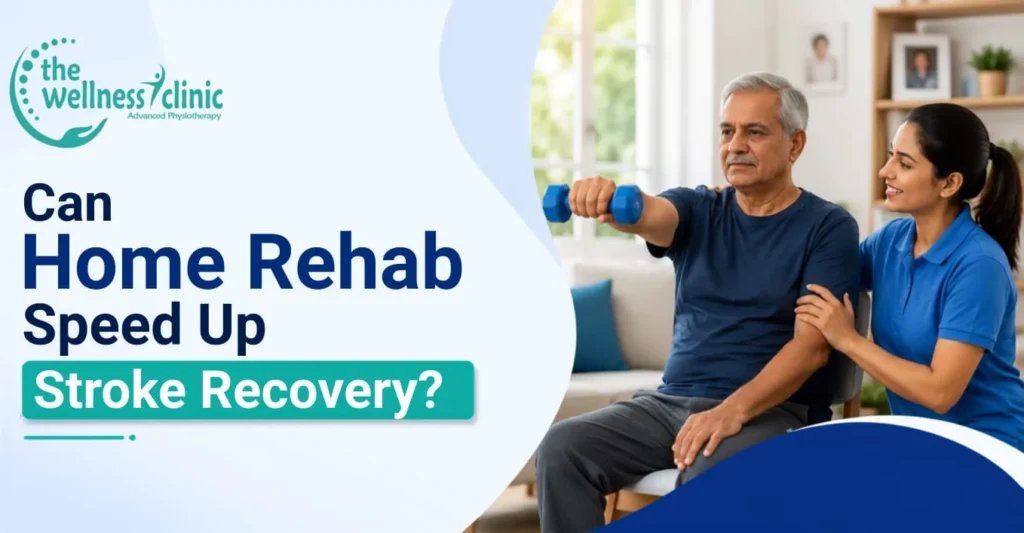
How Does a Neurological Center Help Stroke Rehab?
Recovery from stroke requires ongoing rehabilitation even after leaving the hospital. The best physiotherapy clinic in Kolkata and a Best Neuro Rehabilitation Centre Kolkata often recommend structured home-based rehabilitation programs to help stroke survivors maintain progress. Home therapy can improve mobility, muscle strength, coordination, balance, and daily functioning while supporting long-term independence and recovery.
Why Home-Based Stroke Rehabilitation Matters
Stroke rehabilitation is a continuous process. While inpatient rehabilitation provides intensive therapy, home-based extensions help patients practice skills regularly in a familiar environment.
Benefits of Home Rehabilitation
- Encourages consistent recovery
- Improves functional independence
- Enhances mobility and balance
- Builds confidence
- Supports emotional well-being
- Reduces risk of complications
How Can Stroke Patients Continue Therapy at Home?
How can stroke patients continue therapy at home?
Stroke patients can continue therapy at home by following prescribed exercise programs, practicing mobility training, using assistive devices, performing balance and strength exercises, participating in speech therapy activities, and maintaining regular communication with rehabilitation professionals. Consistency and safety are essential for successful recovery.
Essential Goals of Home-Based Stroke Rehabilitation
Improve Mobility
Patients work on walking, transfers, and movement coordination.
Restore Strength
Exercises help rebuild muscle function and endurance.
Enhance Balance
Balance training reduces fall risk.
Improve Daily Living Skills
Patients practice activities such as dressing, eating, and grooming.
Support Cognitive Recovery
Memory and attention exercises may be recommended.
Tools That Support Stroke Recovery at Home
Mobility Aids
Common Examples
- Walking sticks
- Canes
- Walkers
- Wheelchairs
These devices provide stability and confidence during movement.
Exercise Equipment
Useful Home Rehab Tools
- Resistance bands
- Therapy balls
- Hand exercisers
- Balance cushions
- Pedal exercisers
These tools assist with strengthening and coordination exercises.
Adaptive Daily Living Devices
Helpful Equipment
- Grab bars
- Raised toilet seats
- Shower chairs
- Reachers
- Adaptive utensils
These tools improve independence and safety.
Home Exercises for Stroke Recovery
Range of Motion Exercises
Help maintain joint flexibility.
Benefits
- Prevent stiffness
- Improve circulation
- Maintain movement patterns
Strengthening Exercises
Target weakened muscles.
Examples
- Leg lifts
- Seated marches
- Arm raises
- Resistance band exercises
Always follow professional recommendations.
Balance Training
Improves stability and confidence.
Common Activities
- Weight shifting
- Supported standing
- Heel-to-toe exercises
- Sit-to-stand practice
Walking Practice
Walking remains one of the most important rehabilitation activities.
Focus Areas
- Posture
- Step length
- Balance
- Endurance
Speech and Communication Exercises
Some stroke survivors experience speech difficulties.
Home Practice May Include
- Reading aloud
- Word repetition
- Naming exercises
- Conversation practice
- Memory games
Speech-language therapists often provide customized programs.
Cognitive Rehabilitation at Home
Stroke can affect memory and concentration.
Helpful Activities
- Puzzle solving
- Memory exercises
- Reading tasks
- Attention training
- Daily planning activities
Regular cognitive stimulation supports recovery.
Safety Tips for Home Stroke Rehabilitation
Prevent Falls
Safety Measures
- Remove loose rugs
- Improve lighting
- Install grab bars
- Keep walkways clear
Follow Professional Guidance
Never start new exercises without approval from rehabilitation professionals.
Avoid Overexertion
Recovery should be gradual and sustainable.
Warning Signs
- Dizziness
- Severe fatigue
- Pain
- Shortness of breath
Seek medical advice if symptoms occur.
Nutrition and Recovery
A healthy diet supports healing and overall health.
Recommended Foods
- Fruits
- Vegetables
- Whole grains
- Lean proteins
- Healthy fats
Hydration
Adequate fluid intake supports recovery and physical function.
Emotional Health During Stroke Recovery
Stroke recovery can be emotionally challenging.
Common Feelings
- Frustration
- Anxiety
- Sadness
- Loss of confidence
Helpful Strategies
- Family support
- Counseling
- Support groups
- Goal setting
- Positive reinforcement
Home Rehabilitation Schedule Example
| Activity | Frequency |
| Mobility Exercises | Daily |
| Strength Training | 3–5 Times Weekly |
| Balance Exercises | Daily |
| Walking Practice | Daily |
| Speech Therapy Tasks | Daily |
| Cognitive Activities | Daily |
| Stretching | Daily |
Consistency is often more important than intensity.
Warning Signs That Require Medical Attention
Seek professional help if a stroke survivor experiences:
- Sudden weakness
- New speech difficulties
- Severe headaches
- Vision changes
- Chest pain
- Difficulty breathing
- Frequent falls
Prompt medical evaluation is essential.
Role of Family and Caregivers
Caregivers play an important role in rehabilitation success.
Ways to Help
- Encourage exercise adherence
- Provide emotional support
- Ensure home safety
- Assist with daily activities
- Monitor progress
Supportive involvement can improve outcomes.
The Wellness Clinic Led by Abishek
Supporting Long-Term Stroke Rehabilitation
The Wellness Clinic led by Abishek focuses on patient-centered rehabilitation programs designed to support recovery after neurological conditions. Through structured physiotherapy, functional training, mobility enhancement, balance improvement, and individualized rehabilitation planning, stroke survivors can work toward greater independence and improved quality of life under professional guidance.
Point-Wise Summary
- Stroke recovery continues after hospital discharge.
- Home rehabilitation reinforces inpatient progress.
- Mobility training improves independence.
- Strength exercises support muscle recovery.
- Balance training reduces fall risk.
- Speech and cognitive exercises aid neurological recovery.
- Assistive devices enhance safety.
- Proper nutrition supports healing.
- Family involvement improves rehabilitation success.
- Regular professional follow-up remains important.
Conclusion
Home-based rehabilitation is a valuable extension of inpatient stroke recovery. With structured exercises, adaptive tools, safety modifications, and professional guidance, stroke survivors can continue making meaningful progress toward independence and improved function. The support of the best physiotherapy center in Saltlake or a Best Neuro Rehabilitation Centre Kolkata can help ensure safe and effective recovery. Consistency, patience, and personalized rehabilitation strategies remain key to achieving long-term recovery goals and enhancing overall quality of life.
Frequently Asked Questions
How can stroke patients continue therapy at home?
Stroke patients can continue therapy at home through prescribed exercises, walking practice, balance training, strength-building activities, speech exercises, cognitive rehabilitation, and regular follow-up with rehabilitation professionals.
How often should stroke rehabilitation exercises be performed?
Many rehabilitation activities are performed daily, although frequency depends on individual recovery goals and professional recommendations.
What equipment is useful for home stroke rehabilitation?
Common tools include resistance bands, therapy balls, walkers, canes, hand exercisers, balance cushions, and adaptive daily living devices.
Can stroke patients recover mobility at home?
Home-based rehabilitation can significantly improve mobility when combined with professional guidance, consistency, and appropriate exercise progression.
Why is balance training important after a stroke?
Balance training helps reduce fall risk, improves confidence, and supports safer movement during daily activities.
Can family members assist with rehabilitation?
Yes. Family support often improves motivation, exercise adherence, emotional well-being, and overall rehabilitation outcomes.
When should a stroke survivor seek medical help?
Immediate medical attention is needed if new neurological symptoms, sudden weakness, severe headaches, breathing difficulties, or chest pain occur.
Recent Posts

How Can You Stay Healthy and Active After Turning 60?
October 15, 2026
Can Shockwave Therapy Relieve Pain Quickly?
October 6, 2026
How Can You Revive Spine Health With Physiotherapy?
September 30, 2026
How Desk Jobs Are Affecting Your Body Silently
September 25, 2026

Can Physiotherapy Help Treat Trigger Fingers?
September 23, 2026
Can Physiotherapy Help Tennis Elbow Heal Faster?
September 16, 2026