
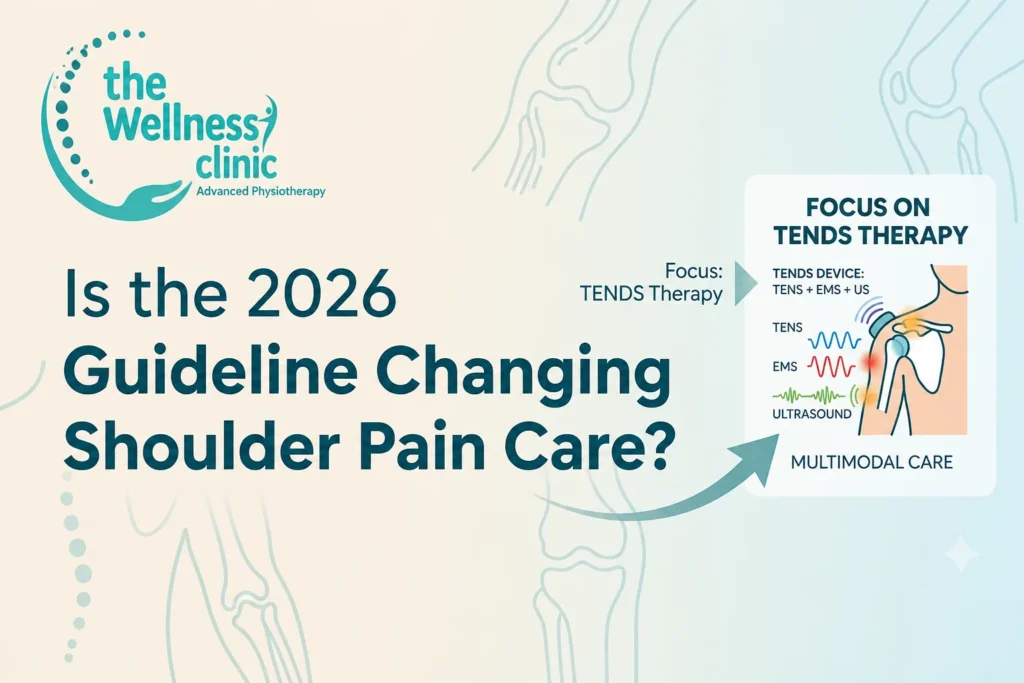
Why Choose the Best Physiotherapy Clinic in Kolkata for Rotator Cuff Tendinopathy?
The Best Physiotherapy Center in Kolkata follows evidence-based care. What is the new 2026 guideline for rotator cuff tendinopathy? It emphasizes exercise, education, and individualized rehabilitation.
Choosing the best physiotherapy clinic in Kolkata for rotator cuff tendinopathy ensures accurate assessment, evidence-based treatment, and personalized rehabilitation. Experienced physiotherapists use targeted exercises, manual therapy, pain management techniques, and progressive strengthening to restore shoulder function, reduce pain, improve mobility, and help prevent future injuries, enabling you to return safely to your daily activities and sports.
What Is Rotator Cuff Tendinopathy?
Rotator cuff tendinopathy is a common shoulder condition caused by irritation or degeneration of the tendons that stabilize the shoulder joint. It often develops due to repetitive overhead activities, age-related tendon changes, sports injuries, or poor shoulder mechanics.
People commonly experience:
- Shoulder pain during lifting
- Pain while sleeping on the affected side
- Weakness in the arm
- Reduced range of motion
- Difficulty with daily activities
What Is the New 2026 Guideline for Rotator Cuff Tendinopathy?
The 2026 clinical practice guideline highlights a shift toward conservative, evidence-based management before considering invasive treatments. Check our success story click: https://thewellnessclinics.in/sucess-story
Featured Snippet
What is the new 2026 guideline for rotator cuff tendinopathy?
The guideline recommends:
- Individualized exercise therapy
- Patient education
- Activity modification
- Progressive strengthening
- Pain-guided rehabilitation
- Limited reliance on passive treatments
- Shared decision-making
- Regular outcome monitoring
Why the 2026 Guideline Matters?
The updated recommendations emphasize treating the root cause rather than only relieving symptoms. Modern physiotherapy focuses on restoring tendon capacity, improving movement quality, and preventing recurrence.
Key goals include:
- Reduce pain
- Restore mobility
- Improve shoulder strength
- Enhance function
- Return to work or sports safely
Common Causes of Rotator Cuff Tendinopathy
Lifestyle Factors
- Repetitive overhead work
- Poor posture
- Sedentary habits
- Inadequate warm-up
Occupational Risks
- Painters
- Electricians
- Carpenters
- Factory workers
Sports-Related Causes
- Swimming
- Tennis
- Cricket
- Volleyball
- Weightlifting
Symptoms You Should Not Ignore
- Persistent shoulder pain
- Pain when reaching overhead
- Weakness while lifting objects
- Difficulty combing hair
- Night pain
- Clicking sensation
- Reduced shoulder flexibility
Early physiotherapy can help prevent progression and chronic disability.
How Physiotherapy Supports Recovery?
Choosing the Best Physiotherapy Clinic in Kolkata allows patients to receive personalized rehabilitation based on the latest clinical evidence.
Treatment focuses on:
- Pain reduction
- Tendon loading
- Muscle strengthening
- Functional movement
- Posture correction
- Return-to-activity planning
Progressive Exercise Therapy
Exercise remains the cornerstone of treatment.
Early Phase
- Gentle mobility exercises
- Pendulum movements
- Pain-free range-of-motion exercises
Middle Phase
- Isometric strengthening
- Scapular stabilization
- Rotator cuff activation
Advanced Phase
- Resistance band training
- Functional strengthening
- Sport-specific exercises
- Work conditioning
Role of Manual Therapy
The guideline supports manual therapy as an adjunct—not a standalone treatment.
It may help:
- Improve joint mobility
- Reduce stiffness
- Relieve discomfort
- Enhance exercise performance
Patient Education Is Essential
Patients should understand:
- Tendons heal gradually
- Exercise consistency matters
- Pain does not always indicate damage
- Recovery timelines vary
- Lifestyle changes support healing
Education improves adherence and long-term outcomes.
Activity Modification
Instead of complete rest, the guideline recommends modifying activities that aggravate symptoms.
Examples include:
- Reducing repetitive overhead lifting
- Adjusting workstations
- Taking frequent breaks
- Improving lifting techniques
Featured Snippet Table
| Recommendation | Clinical Benefit |
| Exercise therapy | Strong evidence |
| Patient education | High recommendation |
| Progressive strengthening | Essential |
| Manual therapy | Supportive |
| Activity modification | Recommended |
| Outcome monitoring | Important |
| Surgery | Selected cases only |
| Long-term exercise | Prevents recurrence |
Recovery Timeline
| Stage | Expected Progress |
| Week 1–2 | Pain management |
| Week 3–6 | Improved mobility |
| Week 6–12 | Strength gains |
| Month 3–6 | Functional recovery |
| Beyond 6 months | Return to full activity (depending on severity) |
When Should You Seek Physiotherapy?
Consult a physiotherapist if you experience:
- Shoulder pain lasting more than two weeks
- Difficulty lifting your arm
- Recurrent shoulder injuries
- Pain affecting sleep
- Weakness during daily activities
- Limited shoulder movement
Why Choose The Wellness Clinic?
The Wellness Clinic provides evidence-based rehabilitation for shoulder disorders, following current clinical recommendations. Patients benefit from:
- Comprehensive physiotherapy assessment
- Individualized rehabilitation plans
- Progressive exercise programs
- Manual therapy when appropriate
- Functional recovery strategies
- Patient education
- Long-term injury prevention
Those looking to book shoulder pain physiotherapy at The Wellness Clinic can access personalized care designed to restore movement, reduce pain, and improve quality of life. Check Patient’s Testimonial click: https://shorturl.at/xf2c2
Best Practices for Preventing Rotator Cuff Tendinopathy
- Warm up before exercise
- Strengthen shoulder muscles
- Maintain good posture
- Avoid repetitive strain
- Improve workstation ergonomics
- Gradually increase training intensity
- Stretch regularly
- Address shoulder pain early
Final Thought
The 2026 clinical practice guideline reinforces that exercise-based rehabilitation, patient education, and individualized care are the foundation of effective rotator cuff tendinopathy management. Choosing the Best Physiotherapy Clinic in Kolkata, such as The Wellness Clinic, helps patients receive evidence-based treatment that improves shoulder strength, restores mobility, reduces pain, and supports long-term recovery while minimizing the risk of recurrence. Check our Address click the link: https://maps.app.goo.gl/PPJUAZLnKV3Yo2Hy7
FAQs
What is the new 2026 guideline for rotator cuff tendinopathy?
The guideline emphasizes individualized exercise therapy, patient education, activity modification, progressive strengthening, and evidence-based physiotherapy while limiting unnecessary passive treatments.
Can physiotherapy cure rotator cuff tendinopathy?
Physiotherapy is considered the first-line treatment for many cases. A structured rehabilitation program can reduce pain, improve shoulder function, and help patients return to normal activities.
When should I see a physiotherapist for shoulder pain?
If shoulder pain lasts more than two weeks, limits movement, causes weakness, or interferes with sleep or daily activities, you should seek a professional physiotherapy assessment.
Why choose the Best Physiotherapy Clinic in Kolkata for shoulder rehabilitation?
An experienced clinic provides comprehensive assessment, personalized exercise therapy, functional rehabilitation, and evidence-based treatment to improve recovery and reduce recurrence.
How long does recovery from rotator cuff tendinopathy take?
Recovery varies depending on severity, but many patients experience improvement within 6–12 weeks with consistent physiotherapy and adherence to prescribed exercises.
Can I book shoulder pain physiotherapy at The Wellness Clinic?
Yes. The Wellness Clinic offers personalized physiotherapy programs for shoulder pain, rotator cuff tendinopathy, mobility restoration, and long-term rehabilitation based on current clinical practices.
Recent Posts

How Can You Stay Healthy and Active After Turning 60?
October 15, 2026
Can Shockwave Therapy Relieve Pain Quickly?
October 6, 2026

How Can You Revive Spine Health With Physiotherapy?
September 30, 2026
How Desk Jobs Are Affecting Your Body Silently
September 25, 2026

Can Physiotherapy Help Treat Trigger Fingers?
September 23, 2026
Can Physiotherapy Help Tennis Elbow Heal Faster?
September 16, 2026